
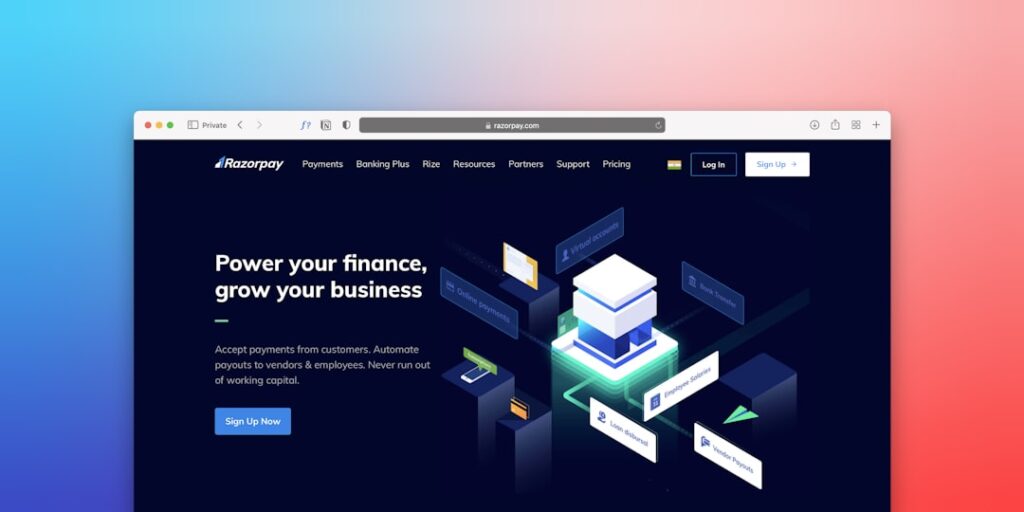
Why Understanding Lead Generation Websites is Critical for Business Growth
So, what are lead generation websites? Unlike traditional sites that act as digital business cards, lead generation websites are strategically designed to capture visitor information and convert browsers into potential customers.
Key characteristics include:
- Primary purpose: To convert visitors into leads by capturing contact information.
- Strategic design: Every element guides visitors toward conversion.
- Data collection: Forms and gated content gather prospect details.
- Active engagement: Chatbots and CTAs encourage immediate action.
- Measurement focus: Built-in tracking monitors conversion rates and ROI.
While traditional websites inform, lead generation websites are conversion machines that turn traffic into a steady stream of qualified prospects. This is critical, as 61% of marketers identify generating traffic and leads as their biggest challenge. This gap highlights why a proper lead generation website is crucial for growth.
At NY Web Consulting, we specialize in changing underperforming websites into powerful lead generation engines. Our expertise in what are lead generation websites allows us to design fast, secure, and conversion-optimized sites that turn visitors into clients, letting you focus on your business.
What Are Lead Generation Websites and How Do They Differ?
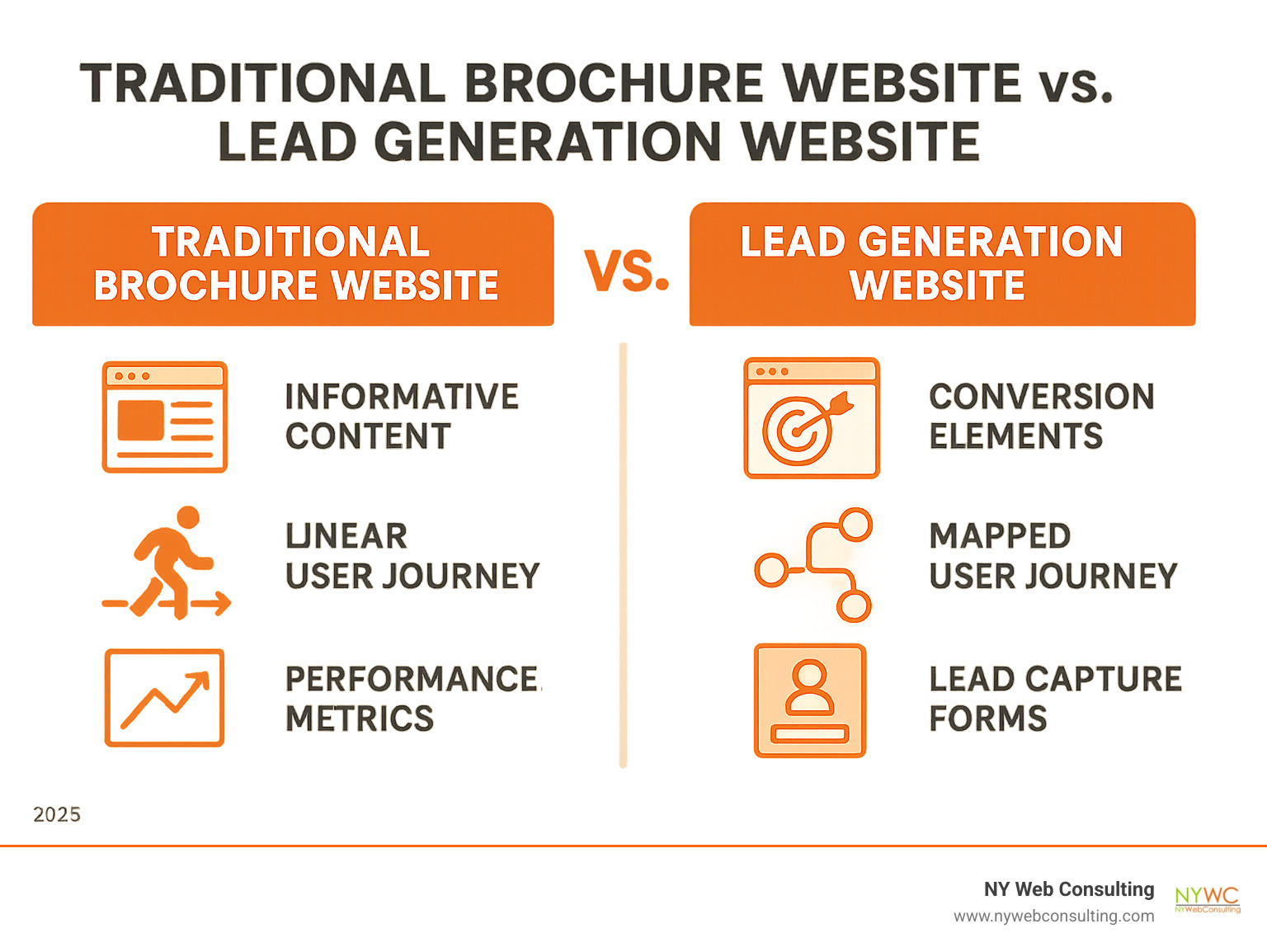
Does your website simply display information like a brochure, or does it actively work to turn visitors into customers? This is the core difference when asking what are lead generation websites. While traditional websites are passive, lead generation websites are built with a single mission: to convert visitors into leads.
A lead generation website guides visitors through a carefully crafted journey that ends with them sharing their contact information. Every element—from navigation and content to colors and layout—is chosen to encourage action. These sites also collect valuable data, enabling personalized user experiences that speak directly to each visitor’s needs.
When done right, the benefits are significant: increased lead quality, higher conversion rates, and scalable growth that allows you to work smarter, not harder. Given that many businesses struggle with lead generation, understanding this approach gives you a competitive edge. The HubSpot State of Marketing report dives deeper into these challenges.
The Core Purpose of a Lead Generation Website
A lead generation website is designed around three core functions. First, it attracts a targeted audience of ideal customers through strategic content and optimization. Next, it captures contact information by offering something valuable in return, such as a helpful guide or consultation. Finally, it nurtures potential customers with relevant content, building trust and guiding them toward a purchase decision.
Key Benefits for Your Business
This active approach delivers tangible business results:
- Building a sales pipeline: Your sales team receives a steady stream of interested prospects, making growth more predictable.
- Gaining valuable audience insights: You learn what your customers need, helping you refine your marketing and services.
- Improving marketing ROI: Every marketing dollar works harder because more visitors convert into leads.
- Shortening the sales cycle: By educating visitors upfront, you help them make purchase decisions faster.
For businesses in Queens and New York City, changing a website into a lead generation tool is essential. At NY Web Consulting, we make this happen with strategic design and proven SEO. Learn more about our SEO Services and see how we can help your website capture more qualified leads.
The Lead Generation Process: From First Click to Qualified Lead
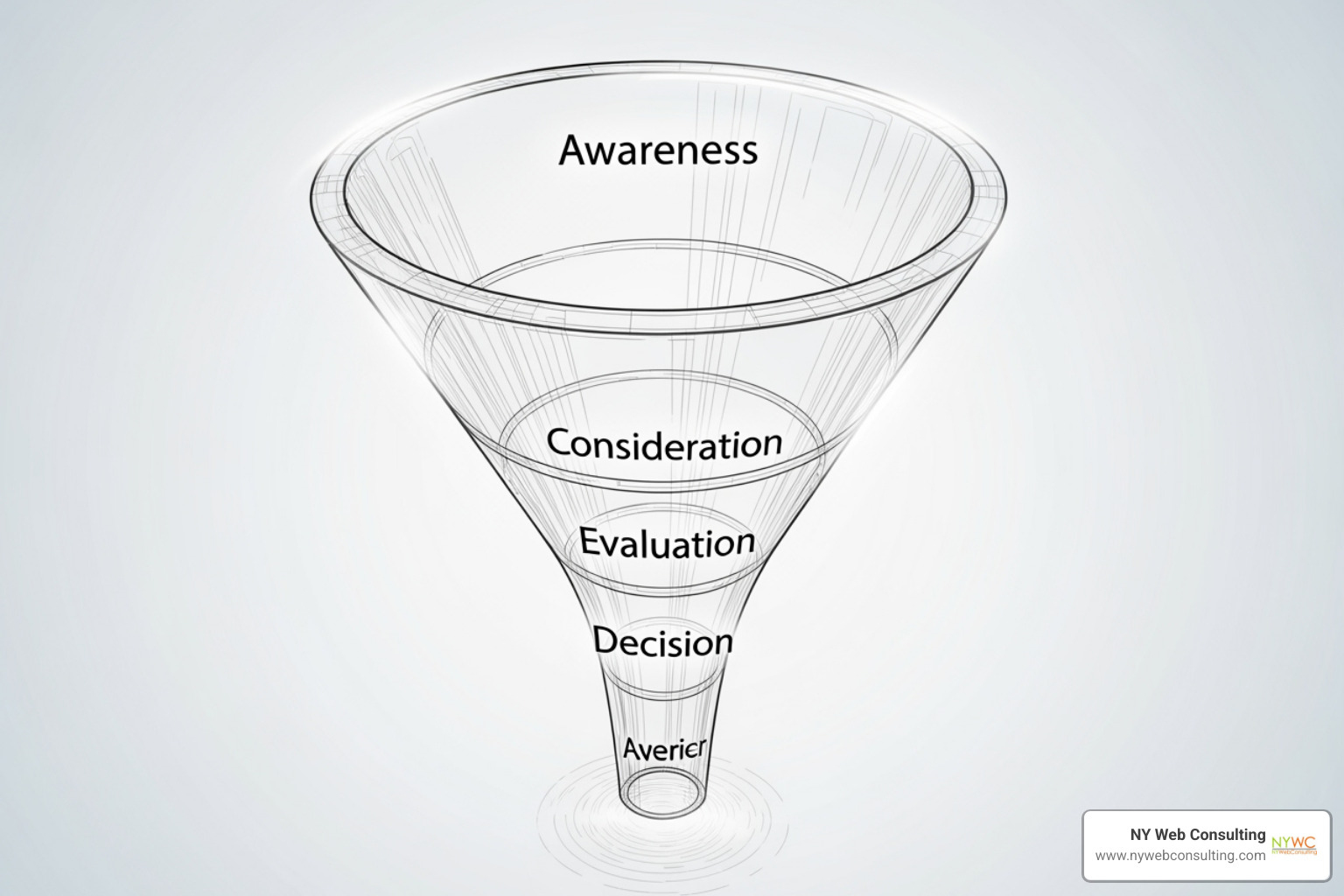
A lead generation website guides visitors on a journey from first click to qualified lead, building trust and providing value at each step. This process follows the B2B sales funnel:
- Top of the Funnel (TOFU): Awareness, where people first find your brand.
- Middle of the Funnel (MOFU): Consideration, where they research and compare solutions.
- Bottom of the Funnel (BOFU): Decision, where they are ready to choose a provider.
Content marketing, custom to your buyer personas, fuels this entire process. Understanding your ideal customer’s pain points allows you to create content that resonates. Since over 30% of B2B sales take one to three months to close, your website must nurture leads over time, keeping your business top-of-mind.
How a Lead Generation Website Works in Practice
Your website acts as a central hub where traffic from various sources converges and converts. Traffic from SEO, social media, and paid ads is directed to focused landing pages. On these pages, valuable lead magnets like ebooks or webinars are offered as gated content in exchange for contact information. Automated follow-up communication, such as email sequences, then nurtures these new leads, building a relationship until they are ready to buy.
What are the different types of leads what are lead generation websites can capture?
Not all leads are created equal. Understanding the different types helps you tailor your follow-up strategy. It’s also important to not confuse leads with prospects; a prospect is a qualified lead who fits your ideal customer profile.
- Marketing Qualified Leads (MQLs): These individuals show interest (e.g., downloading a guide) but aren’t ready for a sales call. They require more nurturing.
- Sales Qualified Leads (SQLs): These leads are ready for direct sales engagement. They often have a clear budget, timeline, and authority to make a decision.
- Information Qualified Leads (IQLs): At the beginning of their journey, these leads might subscribe to a newsletter. They need significant nurturing to become future customers.
Lead scoring helps prioritize efforts by assigning points to leads based on their actions and demographics. This ensures your sales team focuses on the most promising opportunities first, increasing efficiency.
Anatomy of a High-Converting Website: Essential Elements & Best Practices
For what are lead generation websites to be effective, they must combine great design with a seamless user journey. Every element should work together to guide visitors toward becoming leads.

The foundation is an exceptional user experience (UX). Your site must be fast, intuitive, and optimized for mobile devices. Common pitfalls we help our Glendale and Queens clients avoid include slow load times, vague messaging, and confusing navigation. Without a clear path, visitors won’t take any action.
Essential Design and User Experience (UX) Principles
A high-converting website balances aesthetics with usability. We focus on creating designs that are both visually appealing and functionally excellent.
- Visitor-Centric Navigation: Organize your site based on what customers want to find, not your company’s internal structure.
- Mobile-First Design: We design for smartphones first, ensuring a flawless experience for the majority of users.
- Readability and Contrast: Clear fonts and good color contrast make your content easy to consume.
- Performance Optimization: Fast load times are critical. We optimize elements like images to ensure speed. Learn more in our guide: How to Reduce Your Image File Size to Increase Website Speed.
Applying proven design principles that people are naturally drawn to can also increase visitor engagement.
Conversion-Focused Strategies and Techniques
Once the UX is solid, we implement techniques to encourage action:
- Compelling Calls-to-Action (CTAs): Use specific, benefit-driven CTAs like “Get Your Free Quote” instead of a generic “Contact Us.”
- Optimized Lead Capture Forms: Keep forms short and simple. Asking for only essential information increases conversion rates.
- Strategic Pop-ups: Exit-intent pop-ups, which appear as a visitor is about to leave, are effective for presenting a final offer without being intrusive.
- Live Chat and Chatbots: Provide immediate assistance and capture leads through conversation, a method preferred by 42% of people.
- Social Proof: Build credibility with testimonials, case studies, and reviews. Seeing that others trust you encourages new visitors to convert.
Effective lead generation combines multiple strategies, including search engine optimization (SEO), content marketing, and landing page optimization. We also leverage email marketing automation, social media, and paid advertising to create a comprehensive system that nurtures leads from first contact to final sale. Since 84% of buyers begin with a referral, referral programs and reputation management are also key components of a successful strategy.
Measuring, Integrating, and Scaling Your Lead Generation Efforts
Once your lead generation website is live, the work shifts to optimization. By tracking performance and integrating your tools, you can tune your website for peak efficiency.
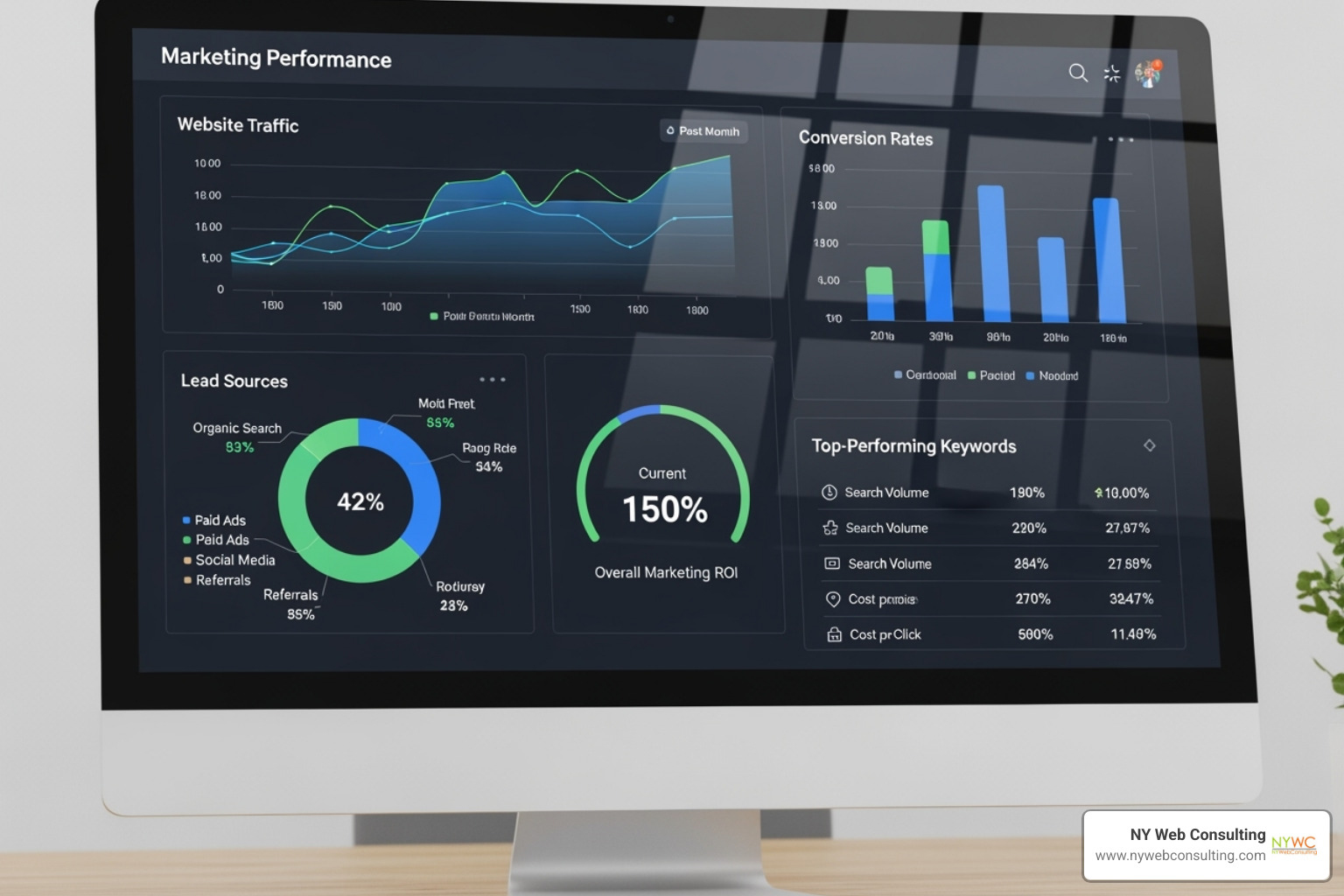
Measurement is the foundation. We focus on Key Performance Indicators (KPIs) that tie directly to business success:
- Conversion Rate: The percentage of visitors who become leads. It tells you if your messaging is effective.
- Cost Per Lead (CPL): The average cost to acquire a new lead, helping you budget effectively.
- Customer Acquisition Cost (CAC): The total investment needed to gain a new paying customer.
- Return on Investment (ROI): The ultimate measure of profitability for your marketing efforts.
A typical website redesign investment ranges from $15,000 to $35,000, so understanding your ROI is crucial.
How can businesses measure the ROI of what are lead generation websites?
Measuring ROI requires connecting website performance to revenue. The key is tracking leads from source to close. By using analytics tools to attribute revenue back to specific marketing efforts, you can see exactly what’s working. For example, you can determine that a specific blog post generated thousands in new business, proving its value.
This data-driven approach transforms marketing from a cost center into a profit driver. Comparing your metrics to the average cost per lead by industry can also provide valuable context.
Integrating with Your Marketing and Sales Tech Stack
A lead generation website shines when it works seamlessly with your other business tools. This integration creates an automated workflow that passes leads smoothly to the next stage.
- CRM Integration: This is essential. When a lead fills out a form, their data should automatically populate your CRM (like Salesforce or HubSpot), ensuring no lead is lost and follow-up is prompt.
- Email Marketing Automation: Immediately after capture, leads can be entered into an automated email sequence that nurtures the relationship over time, even while you sleep.
For more complex needs, tools like Zapier can connect disparate applications, creating custom workflows that match your unique business processes. At NY Web Consulting, we specialize in these seamless integrations, ensuring your website is a fully connected part of your business operations.
Frequently Asked Questions about Lead Generation Websites
As businesses find what what are lead generation websites can do, questions naturally arise. Here are answers to the most common ones we hear from our clients in Queens and beyond.
What role does content play in a lead generation website’s success?
Content is the fuel for your lead generation engine. It serves three primary functions: attracting visitors through SEO-optimized blog posts and articles, building trust by establishing your authority and expertise, and capturing leads by providing valuable gated content (like ebooks or webinars) in exchange for contact information. From initial awareness to final decision, content guides potential customers through every stage of the sales funnel.
How does a lead generation website fit into a broader digital marketing strategy?
It acts as the central hub for all your digital marketing activities. Channels like SEO, PPC, social media, and email marketing are responsible for driving traffic to your site. The lead generation website’s job is to convert that traffic into tangible sales opportunities. Without an effective website to capture and process this interest, the ROI of your other marketing efforts will be significantly lower. It’s the critical link that turns awareness into measurable business results.
What are the most common pitfalls to avoid when building a lead generation website?
The biggest mistake is ignoring the overall user experience. Specific pitfalls to avoid include:
- Poor mobile experience: Your site must function flawlessly on smartphones.
- Slow page speed: Visitors will not wait for a slow site to load.
- Unclear value proposition: If users can’t quickly understand what you do, they will leave.
- Complicated forms: Keep forms short and ask only for essential information.
- Weak or missing calls-to-action: Always tell visitors what step to take next.
Conclusion: Transform Your Website into a Lead Generation Machine
We’ve explored what are lead generation websites and confirmed a crucial truth: your website must be more than a digital business card. A traditional site is passive; a lead generation website is your best salesperson, working 24/7 to engage visitors and guide them toward becoming qualified prospects.
This change is achieved through intentional design. By focusing on user experience, providing clear value propositions, and implementing effective lead capture mechanisms like compelling CTAs and user-friendly forms, your website becomes an active revenue generator. However, building the site is just the start. The real power is open uped through continuous performance measurement and seamless integration with your CRM and marketing tools.
At NY Web Consulting, we specialize in this process for businesses in Glendale, Queens, and across New York City. We build fast, secure, and SEO-friendly websites that actively grow your business.
The investment in a properly designed lead generation website, typically ranging from $15,000 to $35,000, delivers exponential returns by filling your sales pipeline. Ready to have a website that contributes directly to your bottom line? Learn more about our Web Design Services and let’s discuss how to turn your online presence into your most effective sales tool.